


Over the past few months, I’ve been taking a deep dive into the latest research and books on reading comprehension. What started as a few educational meetings for my tutors quickly turned into an entire series!
I love seeing how our understanding of comprehension has changed over the years. Today, I want to share one area that can impact our kids' comprehension...
Cognitive Load and Reading Endurance
Before we look at these areas, it’s helpful to understand the two foundational pillars every reader needs to comprehend a text:
- Word Recognition (Where students can decode the printed words accurately and automatically.)
- Language Comprehension (The student understands the spoken meaning of those words. There are many components to this that I’ll share more about in future emails.)
If a child struggles with either of these, they won't be able to fully retain what was read.
Have you ever worked with a child who reads a few pages aloud (maybe they struggled or even read it perfectly), but when you ask about what happened, they look at you and struggle to find an answer?
Here is why that happens
When a child hasn't yet mastered automatic word recognition, their brain has to expend almost all of its energy figuring out what the words say. This causes a cognitive overload. Their working memory becomes so consumed by the process of decoding that no mental capacity is left to store the meaning of the text.
A great example of this for adults is listening to an audiobook or podcast while driving on a busy freeway. When it's time to switch to a different freeway, your complete focus is on getting to the right place so you aren't focused on the information playing through your car.
For our readers, their brain's processing capacity is being stretched to its limit. Without automaticity, reading endurance wears thin very quickly.
So how do we support children when their brain gets overloaded?
Below are a few signs of cognitive overload to look for, along with practical ways to help the words stick:
Signs a Child is Struggling with Cognitive Overload
Having to Reread the Text: You may notice the child is having to reread the text to grasp what is being read. They may read a sentence or paragraph multiple times. If a child does this and can't retain information, then they may struggle in the areas mentioned above.
The Words Aren't Sticking: Maybe you had a child read the words in a text to you, but once you ask a question or ask them to retell it in their own words, they weren't able to. This is a strong indicator that the words didn't stick. Finding the why behind it is crucial.
Distractions in the Environment: This may be the student who turns their head at every noise or movement. Try your best to control the environment when possible.
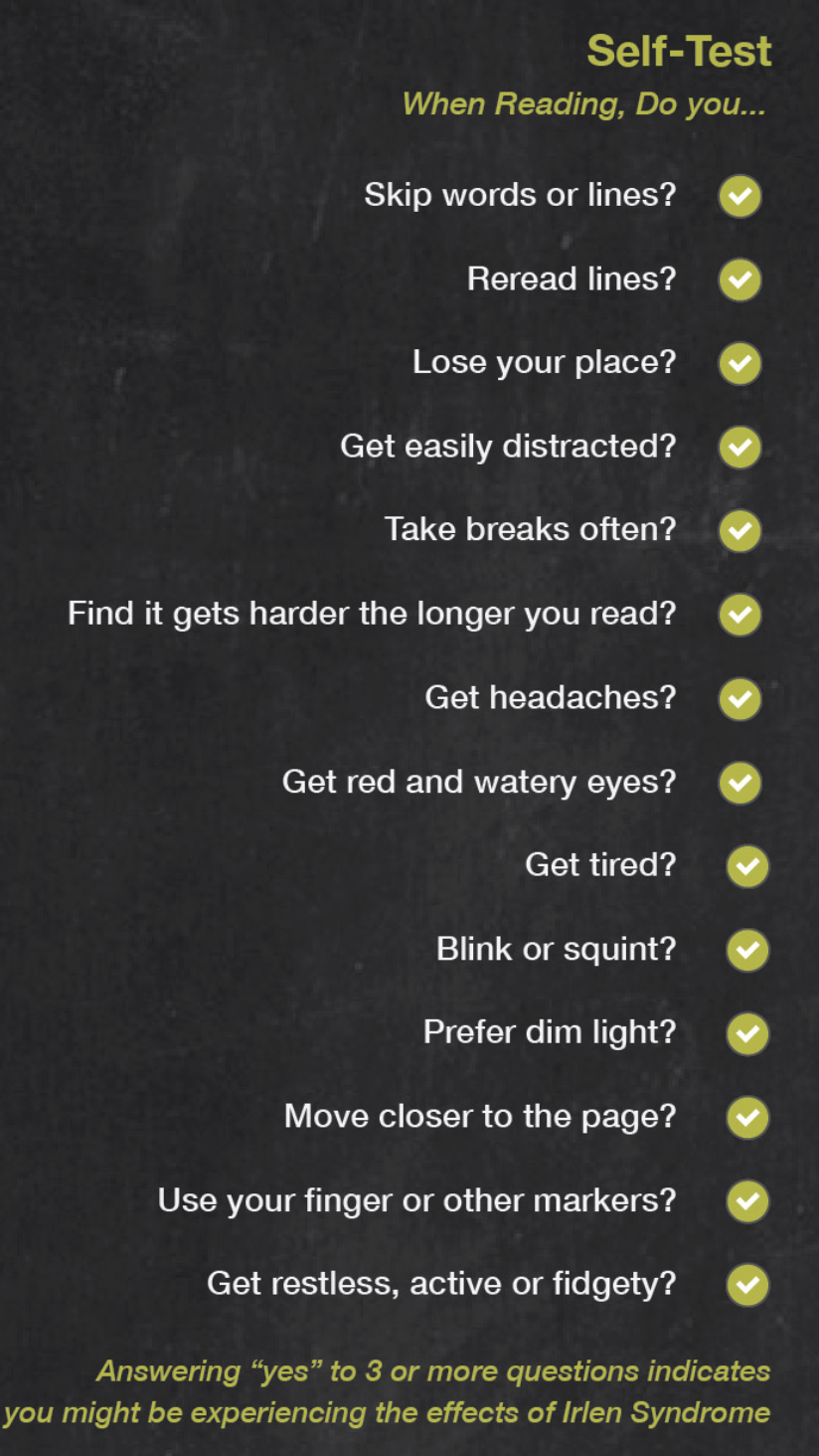
Overstimulated Visual Cortex: Some children may also struggle with an overstimulated visual cortex, which can overload their cognitive load to the point that they can't fully focus on what they're reading.
If you notice this in your student or child, or these other symptoms below. I would recommend an Irlen Screening. You can find more information below. If these sound familiar for your child (or yourself), please email me.
www.irlensyndrome.org
Ways to Improve Cognitive Endurance
Intervention first and foremost: If a child has been consistently struggling to read, write, and comprehend text. There is more than likely a reason for that struggle. It may or may not be dyslexia, but this would be the first area I'd explore, as it's in 1 in 5 people. If you would like more information about what to look for with dyslexia and dysgraphia, or an intervention that may help, please email me.
Lighten the load: Have them read in smaller chunks. It is perfectly fine to talk about the text before, during, and after reading. For some students, this may actually be beneficial for them to retain the text.
Choose the Right Text: Use controlled reading whenever possible. Controlled reading is coming across words that they have been taught how to decode or sight words they've already memorized. Controlled reading is always best for a struggling reader. I do understand that this may be difficult to find, especially in a school setting.
Controlled reading is important for children in an intervention. We want to only give them words to decode that follow the rules and syllable patterns they've only been taught in their intervention. This gives them the ability to be successful when reading and not guess or become discouraged in their reading. If you can't choose a controlled text, preview the text to make sure it's right for your reader.
Reading Daily: In a world full of technology and distractions, reading is not always high on the list. Set aside time to read each day. Start small and work your way up. With today's technology overload, children have a hard time focusing when something is not engaging. Building their 'endurance' to focus and read will take time and work, but they must start somewhere.
If you have questions or would like to know more, please contact Heather.